Receiving a list of plan check corrections from the local building department is one of the most routine parts of the construction permitting process. Nearly every residential or commercial project encounters some level of review feedback during the plan check review stage. In many cases, the comments are minor. Other times, they involve larger revisions tied to building code compliance, zoning conflicts, or incomplete documentation.
What determines whether a project moves quickly toward permit approval is not the existence of corrections. It is the quality of the response.
A complete and organized resubmittal can move through the permit revision process with minimal delay. A poorly coordinated response package, however, often triggers additional permit corrections, extended review cycles, and frustrating approval delays.
Understanding how to respond to plan check corrections properly can significantly reduce turnaround time and help avoid repeated rejection notices.
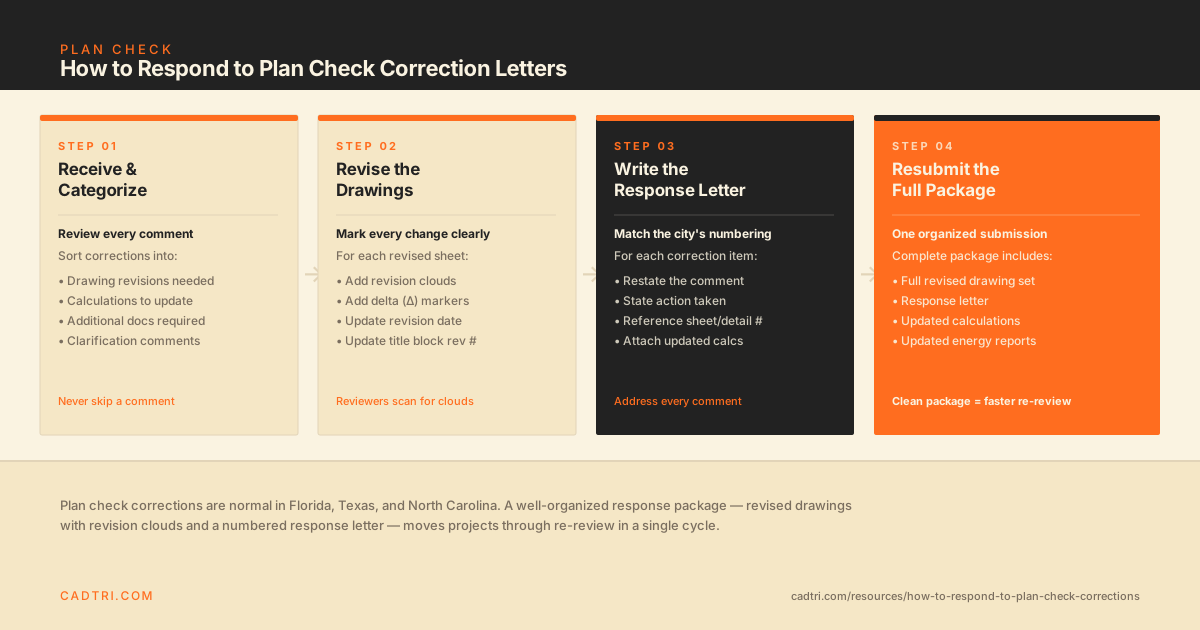 4-step plan check correction response process: categorize, revise drawings, write response letter, resubmit
What Are Plan Check Corrections?
During the construction permit review process, a city plan checker reviews the submitted architectural drawings, structural calculations, energy reports, and supporting documentation tied to the permit application.
If the reviewer identifies missing information, unclear details, or issues related to code compliance, the city issues a formal correction notice outlining the required revisions.
These comments are commonly referred to as plan check comments, building permit corrections, city review comments, or construction plan corrections.
The format varies between jurisdictions. Some departments provide digital PDF markups with detailed annotations and referenced code sections. Others issue simple numbered lists requesting clarification or revised drawings.
Certain corrections may involve straightforward notation updates. Others require major design revisions, engineering changes, or supplemental calculations from a licensed structural engineer.
Why Permits Get Rejected or Delayed
Most permit delays happen because of incomplete documentation rather than catastrophic design errors.
Common causes include:
- Missing dimensions on plans
- Inconsistent notes between sheets
- Incomplete structural calculations
- Zoning conflicts
- Missing Title 24 reports
- Unclear construction details
Projects that fail to demonstrate zoning compliance or accurate compliance requirements often receive extensive correction comments before approval can move forward. The more organized the original submission is, the easier the review process becomes.
How to Respond to Plan Check Corrections
Knowing how to fix permit corrections starts with carefully reviewing every item in the correction letter before revising the drawings.
Many applicants rush through the process and only address part of the requested information. That mistake almost always results in another correction cycle.
A proper response package usually includes three essential elements.
Revised Drawings With Clear Redlines
Updated plans should always include clearly marked revisions showing exactly what changed between the original submittal and the revised package.
Most jurisdictions expect:
- Revision clouds
- Delta symbols
- Updated revision dates
- Organized sheet indexing
These visual indicators help the plan checker locate revisions quickly instead of searching through the entire drawing set manually.
Clear redline comments and organized revisions dramatically improve plan check turnaround time, especially on larger projects with multiple sheets. When revised drawings are poorly marked, reviewers often issue repeated comments simply because changes were difficult to identify.
A Detailed Response Letter
An organized correction response letter is one of the most overlooked parts of the permit resubmittal process.
The response should address every correction individually using the same numbering sequence provided by the city.
For example:
Correction: Provide additional window safety glazing information. Response: Safety glazing note added to Sheet A5.1 adjacent to bathroom window detail.
This approach allows reviewers to verify revisions quickly without searching through the full package. Vague statements like "updated per comment" slow down review because they provide no clear direction.
Updated Supplemental Documents
Some permit corrections involve more than drawing revisions alone. Depending on the project, the city may request revised structural calculations, updated energy documentation, geotechnical reports, accessibility forms, or additional engineering data.
Whenever supplemental reports are revised, the updated versions should accompany the full resubmittal package. A clean and complete resubmittal package creates a smoother approval process and reduces confusion during re-review.
Common Mistakes During the Permit Revision Process
The majority of recurring plan check corrections come from avoidable mistakes made during resubmittal.
Responding to Only Part of the Comment. Many city comments contain multiple sub-items. If only one portion gets addressed, the correction usually returns during the next review cycle. Every requested revision should receive a complete response.
Missing Revision Clouds. Submitting revised plans without visible change markers forces the reviewer to compare sheets line by line. This slows the plan check review process and increases the likelihood of repeated comments.
Ignoring Smaller Comments. Applicants sometimes focus heavily on structural revisions while overlooking smaller notes buried within the correction letter. Even minor omissions can delay final permit approval.
Making Untracked Changes. Adding undocumented revisions unrelated to the city comments can create additional confusion. If changes extend beyond the requested corrections, they should be explained clearly within the response letter.
How Long Plan Check Corrections Take
The answer depends on current city backlog, staffing levels, project complexity, and the quality of the revised package.
Some jurisdictions prioritize correction reviews ahead of new applications, while others process everything in sequence. A complete and organized response package almost always moves faster than one requiring additional clarification. Certain cities even offer expedited or over-the-counter review options for smaller correction packages.
How to Pass Plan Check the First Time
While no project is entirely immune from comments, several practices consistently improve approval success:
- Submit coordinated drawings
- Verify all dimensions carefully
- Include complete engineering documentation
- Address zoning issues early
- Organize all supporting reports before submission
The strongest permit packages anticipate reviewer concerns before the application reaches the city counter.
How CADTRI Handles Plan Check Corrections
CADTRI prepares coordinated correction response packages designed to simplify the city review process.
The team reviews every correction letter carefully, updates the required architectural drawings, coordinates revisions with the project structural engineer, and organizes the full resubmittal package for efficient processing.
Each response package includes:
- Clearly marked revised drawings
- Structured response letters
- Organized supplemental documents
- Properly tracked revisions for faster re-review
Whether the project involves residential permits, tenant improvements, additions, or commercial construction, CADTRI provides professional support for complex correction responses and streamlined permit resubmittals.
If you have a correction letter that needs a response, contact us with the letter and the original drawing package and we will confirm scope and timeline.