For many property owners, contractors, and developers, one of the most confusing parts of the California permitting process is understanding what Title 24 energy compliance is and why it matters so much during permit review. In reality, Title 24 energy compliance California requirements affect nearly every residential and commercial construction project involving conditioned space.
Whether the project involves a new custom home, an ADU, a commercial tenant improvement, or a major remodel, the local building department will typically require an approved energy compliance report before issuing permit approval.
Despite how common these requirements are, many applications still get delayed because the energy documentation is incomplete, outdated, or inconsistent with the architectural plans. Understanding how Title 24 California regulations work before submitting drawings can prevent avoidable correction notices and speed up the overall approval timeline.
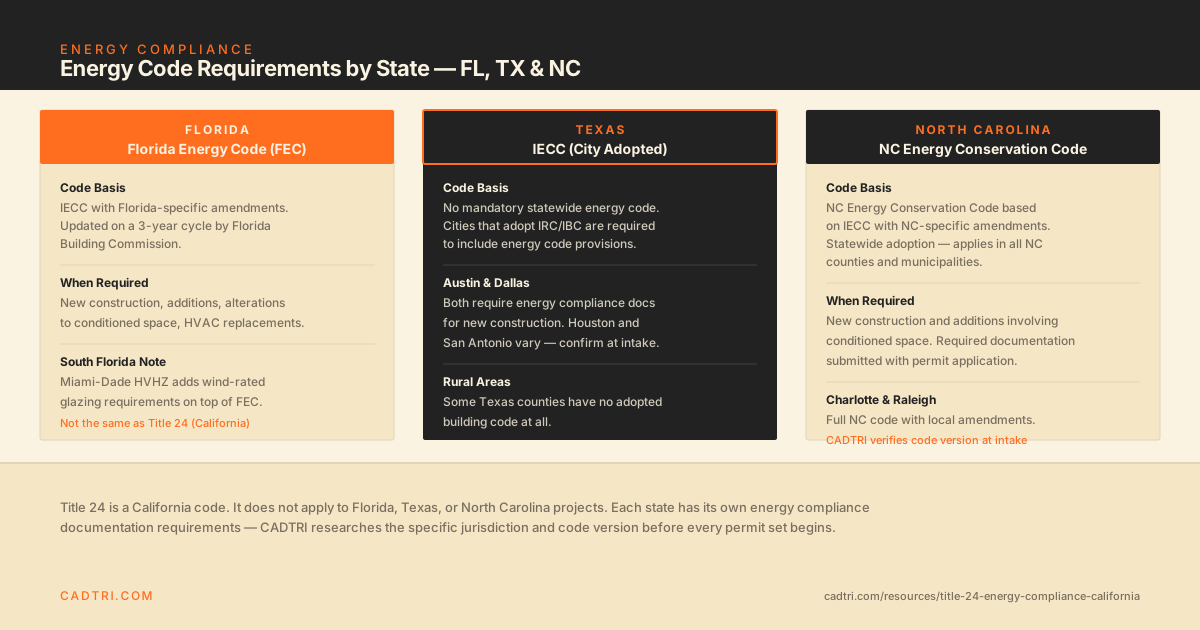 Energy compliance documentation requirements by state — Florida Energy Code, Texas IECC, North Carolina Energy Conservation Code
What Is Title 24 Energy Compliance California?
Title 24 energy compliance refers to California's statewide building efficiency regulations established under the California Energy Commission.
Officially known as Part 6 of the California Code of Regulations, the California energy code establishes minimum standards for:
- Energy efficiency
- Insulation performance
- Lighting efficiency
- Water heating systems
- Ventilation
- Overall building energy use
The regulations apply to both residential and nonresidential projects and are updated regularly as California strengthens its sustainability and energy reduction goals.
In simple terms, Title 24 ensures that buildings are designed and constructed to meet specific performance standards related to energy consumption and environmental efficiency.
What Projects Require Title 24 Documentation?
In California, the answer is almost always yes for projects involving conditioned living or working space.
Typical projects requiring Title 24 documentation include:
- New residential construction
- Additions to existing homes
- Remodels involving HVAC replacement
- Lighting upgrades
- Garage conversions
- Commercial tenant improvements
- New commercial developments
Both residential Title 24 compliance and commercial Title 24 compliance projects must satisfy applicable energy standards before permit issuance.
Minor cosmetic repairs or unconditioned structures like open carports may not require compliance reports, but most projects tied to habitable space do.
How to Get a Title 24 Compliance Report
Understanding how to get Title 24 compliance report documentation begins with hiring a qualified energy consultant or drafting team familiar with California permitting standards.
A certified consultant uses approved software to prepare the required energy calculations California projects must submit during permit review.
The completed Title 24 report demonstrates how the proposed building complies with state energy regulations related to:
- The building envelope
- Insulation values
- Window performance
- HVAC system efficiency
- Water heating
- Lighting controls
This documentation becomes part of the official permit package submitted to the city.
What a Title 24 Compliance Package Includes
A complete building energy compliance package usually contains several forms and supporting calculations required during the permit process.
For residential projects, the package often includes:
- CF1R energy forms
- Project climate zone data
- Insulation specifications
- HVAC efficiency information
- Lighting calculations
- Supporting compliance summaries
Certain projects also require a Title 24 HERS report, which involves third-party field verification and testing during construction.
Commercial projects generally require more extensive documentation, including:
- Mechanical system efficiency calculations
- Lighting power density analysis
- Occupancy sensor controls
- Detailed energy modeling reports
Title 24 Requirements for ADU California Projects
One of the fastest growing permit categories in the state involves accessory dwelling units. Almost every ADU project involving conditioned space requires energy documentation.
This includes:
- Detached ADUs
- Garage conversions
- Attached additions
- JADUs with conditioned living areas
The energy consultant must coordinate closely with the architectural team so the compliance forms match the actual design shown on the permit drawings. Even small inconsistencies between insulation notes, window schedules, or HVAC specifications can trigger corrections during plan check.
How Title 24 Fits Into the Permit Process
The Title 24 process California jurisdictions follow is directly tied to the permit review workflow.
When the permit application is submitted, the city reviews both the architectural drawings and the energy compliance package together.
The plan checker verifies code compliance, insulation values, window efficiency ratings, HVAC system details, and lighting efficiency requirements.
If the plans conflict with the compliance report, the reviewer usually issues correction comments before permit approval can move forward. For example:
- Insulation values shown on the plans must match the energy report
- HVAC equipment schedules must align with the modeled system
- Lighting specifications must satisfy applicable mandatory requirements
Coordination errors between the drawings and the compliance forms are one of the most common reasons projects encounter delays.
Prescriptive Method vs Performance Method
California allows two primary methods for demonstrating compliance.
Prescriptive Method
The prescriptive method requires every individual building component to meet minimum efficiency standards established by the energy code. This approach is generally simpler but less flexible. If even one component falls below the required threshold, the project may fail compliance.
Performance Method
The performance approach relies on detailed energy modeling to evaluate the building as a complete system rather than focusing on individual components alone. This method offers greater flexibility because improvements in one area may offset deficiencies in another. Performance modeling is often preferred for custom homes, ADUs, and complex commercial projects.
Common Reasons Title 24 Applications Get Rejected
Many permit applications experience delays because of preventable documentation problems.
Missing Energy Reports. Submitting plans without a complete energy compliance report California package often results in automatic rejection before formal review even begins.
Mismatched Documentation. If the architectural drawings differ from the energy report, the city typically requests revisions from both teams.
Outdated Compliance Forms. Design changes made after the original energy calculations require updated reports. Failing to revise the compliance package after modifying the plans is a frequent source of correction notices.
Non-Compliant Components. Projects using the prescriptive path must ensure every component satisfies the required standards for insulation, lighting, and mechanical systems.
How Much Does Title 24 Cost?
The answer depends on project size, building type, complexity, and whether performance modeling is required.
Simple residential reports may cost significantly less than large commercial compliance studies involving detailed mechanical analysis and advanced modeling. Additional costs may apply if revisions are needed after design changes.
How CADTRI Coordinates Title 24 Documentation
CADTRI integrates Title 24 energy compliance California coordination into permit packages for residential and commercial projects throughout the state.
The team works directly with certified energy consultants to ensure the compliance documentation aligns with the architectural plans, mechanical systems, insulation specifications, and permit requirements before submission.
This coordinated approach helps minimize review conflicts, improve permit turnaround time, and reduce costly revisions during the approval process.
If your project requires permit-ready drawings and professional Title 24 report services, CADTRI can help prepare a coordinated package tailored to your project type, jurisdiction, and energy compliance requirements. Request a proposal to get started.